
Previous Residents of a Monterey Park Address
A Monterey Park address has several overlapping timelines. Recorded instruments trace title, directories and census pages trace listed households, permits date changes to a building, and newspapers or probate records explain a departure. The best starting source depends on the era and the fact already known.
| Source | Years It Covers | Where Held | What It Shows |
|---|---|---|---|
| Los Angeles County RR/CC deeds | 1850 to present | Norwalk counter, mail, and copy-order service | Grantor, grantee, legal description, recording date, and document number |
| Assessor roll and eGIS | Current parcel system; historical depth varies | Assessor portal, GIS viewer, and lawful counter channels | AIN, situs, values, parcel traits, map geometry, and transfer clues |
| Monterey Park city directories | Exact run and publishers not published | Bruggemeyer Local History Room by appointment | Listed occupants, businesses, addresses, and household clues |
| Alhambra regional directory | 1930-1931 | NARA directory list, library, or microfilm route | Alphabetic and possible street-order entries including Monterey Park |
| Federal census | 1920, 1930, 1940, and 1950 for the local trail | NARA, FamilySearch, and library databases | Household members, relationships, ages, birthplace, and enumeration geography |
| Monterey Park permits | October 1997 to present online; older records at counter | Building Citizen Access and Building & Safety | Work type, applicant, contractor, owner fields, issue, inspection, and final status |
| Newspapers and council minutes | Minutes 1916-2011; local newspaper runs mostly 1900s-present, exact titles unlisted | Bruggemeyer microfilm and local history shelves | Moves, sales, obituaries, civic projects, and names in community context |
The 1850-to-present deed depth is much longer than the public online index. For modern ownership, bridge the street address to the current AIN and a lawful owner-name route. For household history, start with the library collections and census years, then use title records only to test ownership.
Start With Monterey Park AIN Records
An old address must first become a stable parcel clue. In the Los Angeles County Assessor Property Search, search by the standardized situs address or AIN. The AIN is a ten-digit parcel identifier, commonly grouped as a four-digit map book, three-digit page, and three-digit parcel. Copy the full value, exact street text, tract or lot clues, and any transfer-year indicator.
The Assessor's public web portal suppresses owner names under county policy. That is a real access limit, not a missing search term. The map viewer can confirm parcel shape and adjacent geometry, while a lawful counter or specific-property request may supply the owner bridge needed for a deed search. Owner, mailing recipient, permit applicant, and resident are different roles. A mailing address can be useful, but it does not prove occupancy.
Process: street address to AIN, AIN to legal description, legal description to a named deed party, then party and year to the RR/CC index. Keep every prior address and parcel number because a changed street label can hide an older record.
Insider tip. Copy the AIN and legal description before paying for a manual name-and-year search. Those two fields are the bridge when an old street label no longer matches the index.
Monterey Park Deed Records From 1850
Los Angeles County Registrar-Recorder/County Clerk real-estate records reach from 1850 to the present and include deeds, deeds of trust, liens, releases, notices, maps, and related instruments. The index is arranged by grantor, grantee, and recording year. It is not a public online database and it cannot be searched by street address, so an AIN and owner-name bridge matter.
A useful index request names one party, a narrow year or range, the document type if known, and any later document number or book-and-page citation. A deed image can show the parties, recording date, document number, legal description, return-to information, signatures, notary material, and transfer-tax statements when present. The index does not turn a recorded party into proof that the person lived at the parcel.
The official RR/CC real-estate records FAQ explains the grantor, grantee, and year indexing rule.
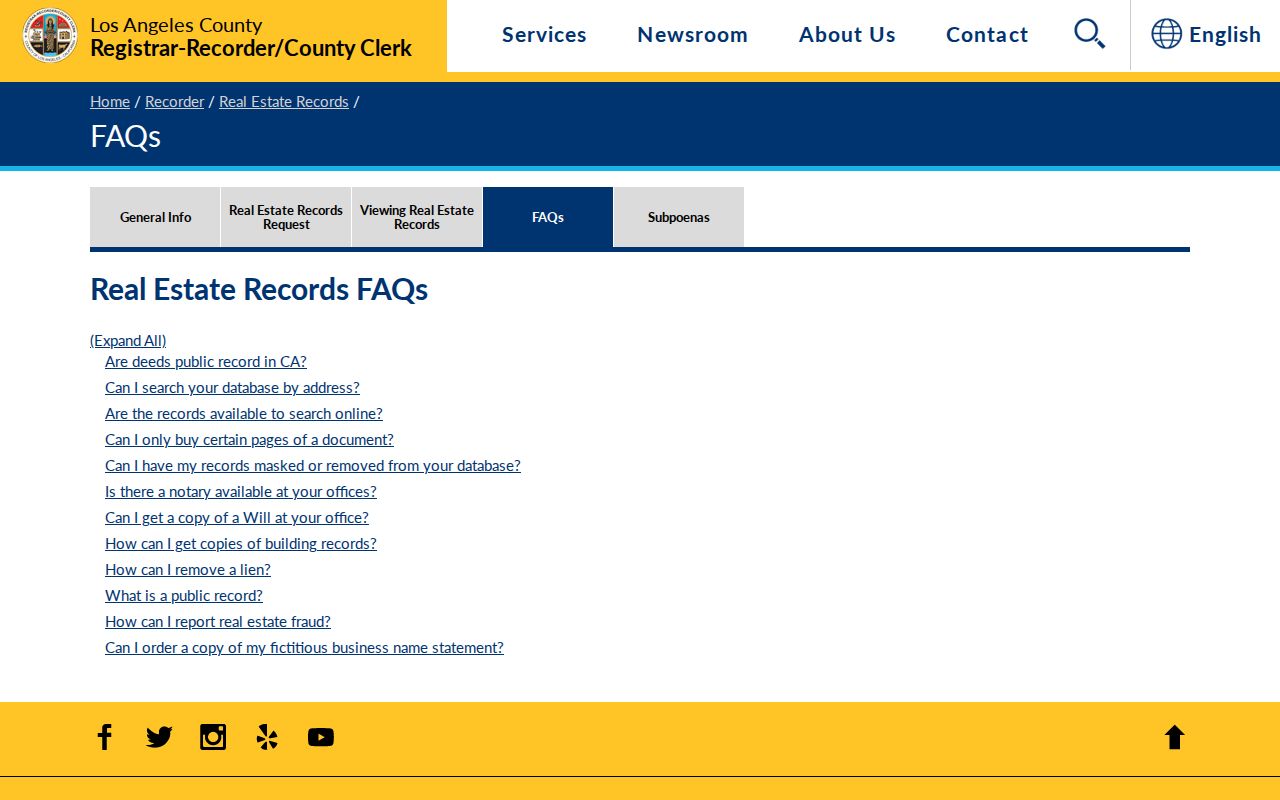
The FAQ image reinforces the key conversion: address research must become party-name and year research before a recorder search can begin.
Myth check. “Public deed” does not mean “online by address.” In Los Angeles County, the public index is a party-and-year system with counter, mail, and copy-order channels.
Monterey Park Previous-Resident Deed Chain
The backward trail is a seller-as-prior-buyer chain. Start with the current vesting deed or document number, read its grantor and grantee, then search the seller as a grantee in an earlier year. Repeat until the index, legal description, or record quality no longer supports the next link.
- Resolve the current address in the Assessor portal and eGIS. Copy the AIN, exact situs, legal or tract-lot clues, transfer-year clue, and any lawful owner-name bridge.
- Use the current party name and likely recording year to request the vesting deed from RR/CC. A narrow year keeps the manual search and per-name fee controlled.
- Read the deed's grantor, grantee, legal description, recording number, and cross-references. Search the seller as a grantee in earlier years.
- Repeat backward with spelling variants, spouses, trusts, and entity names. Separate a sale deed from a deed of trust, which secures a loan and does not by itself show a new owner.
- When the trail reaches older books, microfilm, or an unreported imaging cutoff, shift to the counter or mail route and preserve every citation before ordering a copy.
- Grantor and grantee
- The grantor conveys or creates an interest; the grantee receives it. The same person can hold either role in different links.
- Chain of title
- The connected sequence of recorded transfers and related instruments that explains how an interest moved from one party to another.
- Legal description
- The tract, lot, block, metes-and-bounds, or other land description that identifies the parcel more reliably than an old street label.
Monterey Park Recorder Access for Residents
RR/CC's offline index does not end the search. Free viewing and copying are available by appointment at the Real Estate Records counter in Room 2207, generally Monday through Friday 8 a.m. to 5 p.m. except holidays. Mail requests go to Real Estate Records Section, P.O. Box 1130, Norwalk, CA 90651-1130. Fax instructions and payment choices are listed by the recorder.
Use the RR/CC contact and service-routing page for the current phone tree and office directions. Give the likely party spellings, year, document type, and any later deed citation. Once an instrument is identified, an online copy order can be placed. RR/CC says online copies are normally processed within 20 working days.
The RR/CC contact route is shown here because the physical counter and the online copy order serve different steps.
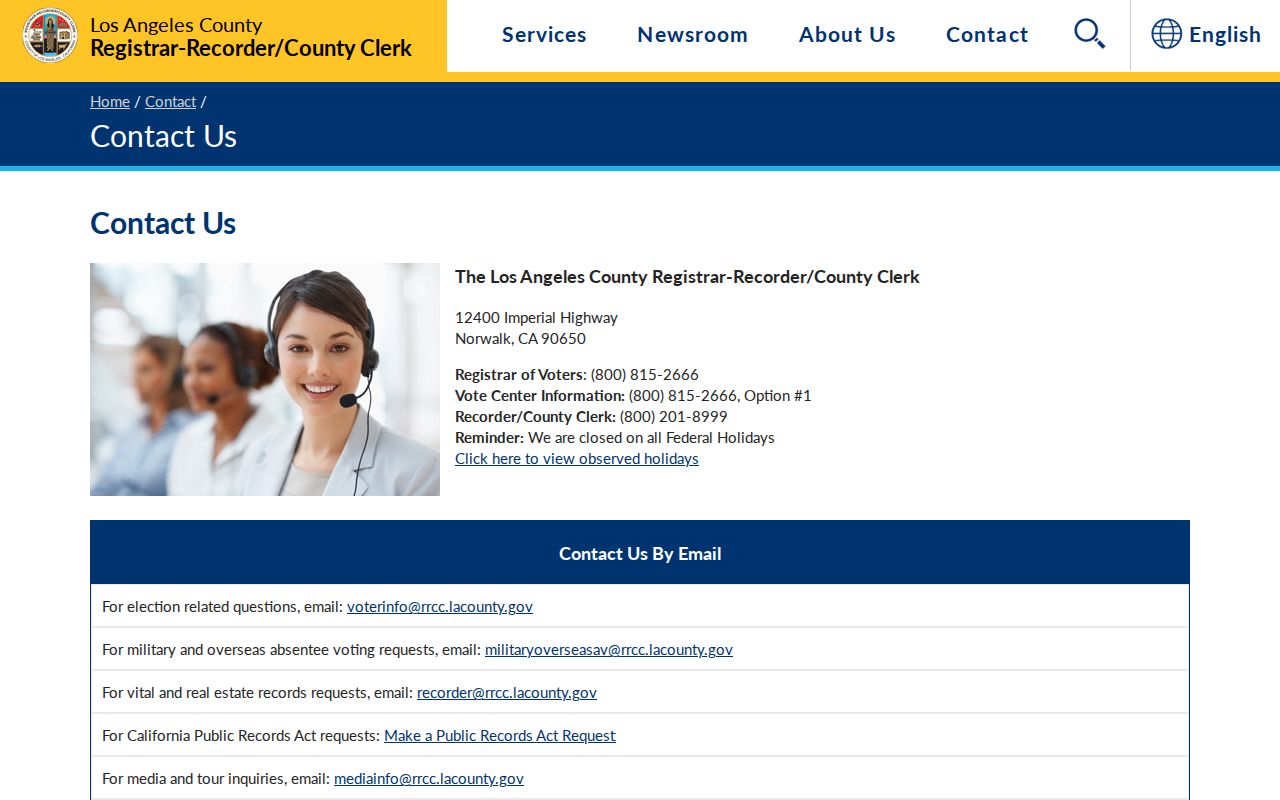
First identify the document in the index, then order the full instrument. RR/CC does not sell selected pages from a record.
The official real-estate record fee schedule lists $5 for the first plain-copy page and $3 for each added page. A certified copy is $6 for the first page and $3 for each added page. A manual search is $0.50 per name per year, with a $1 minimum, and card payments carry a $1.75 handling fee.
The fee schedule image belongs after instrument identification, not before. A fee does not create an address search or prove that a record will be found. RR/CC has not published the exact imaging or microfilm cutoff, so do not promise an online image for a particular year.
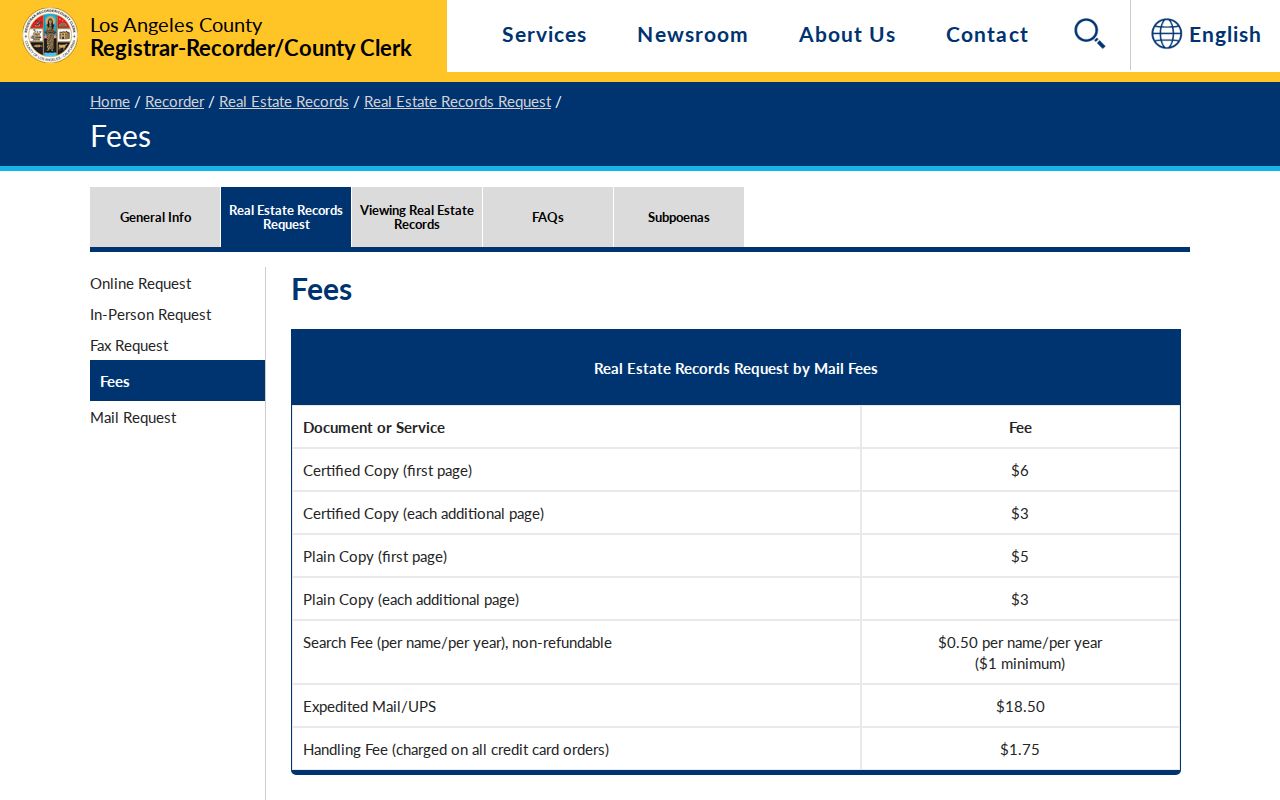
Keep the document number, recording year, full-page count, and certification choice with the chain notes.
Monterey Park Address Records and Imaging Gaps
Monterey Park treats an official address as the building's record identifier. A multi-unit structure keeps one base number and distinguishes suites or units. An approved address change moves records from the old number to the new one, while demolition can remove the address and permit folder because retention follows the building's lifetime. Pre-computer applicant errors can also leave stray permit folders.
Preserve the old and new numbers, parcel or AIN, tract and lot, and every legal description found in a deed or permit. Building Citizen Access covers October 1997 to the present online; earlier permits are at the Building & Safety counter. Permit fields can show the applicant, contractor, owner information, issue date, inspection trail, and final status, but an applicant is not automatically a resident.
Sanborn maps can help date a footprint, use, or address when a verified local sheet exists. No authoritative Monterey Park-specific Sanborn sheet-year list was located, so search the Library of Congress Sanborn collection without claiming a local sheet. Sanborn maps do not establish owners or household members.
Monterey Park Resident Households Across Census Years
Ownership is only one half of a past-resident timeline. The Bruggemeyer city directories and any reverse entries can place past residents by name or address, while the federal census supplies relationships, age, birthplace, and enumeration geography. Pair the sources instead of treating a deed party as the whole household.
Use this second process block after the deed chain:
- Start with the exact address, street variant, and year from a directory or deed. Note whether the address is a base number, suite, or older number.
- Check a nearby directory edition and the 1920, 1930, 1940, or 1950 census schedule. Compare names, relationships, ages, birthplace, and the enumeration district rather than matching one surname.
- Search the Bruggemeyer newspapers, Mark Keppel yearbooks, council minutes, and oral histories for an event that explains a move, name change, civic role, or family link.
- Close the trail with a death record, obituary, cemetery clue, probate case, or later deed. Treat each endpoint as a lead until dates and geography align.
The collections themselves are described on the Monterey Park city directory page. Use that shelf knowledge here, then return to the address record. A directory disappearance can mean death, relocation, a missed volume, a language variant, or a non-listed household.
Monterey Park Resident Trail Endpoints
Obituaries and probate records often explain the final appearance of previous residents. An obituary can supply a spouse, child, former address, or place of death. Probate can connect a decedent to a legal description, heir, executor, or later conveyance. Neither source should be copied as proof without checking the date, county, and relationship.
California's State Controller unclaimed-property search can add a stale name-and-city clue. Results may show a reported address, reporting business, and property type, but an unclaimed-property match is not a current-address finding. Claims require proof of identity and relationship or ownership.
The unclaimed-property route is a supporting clue, not a substitute for the deed chain, census, or a death and probate record.
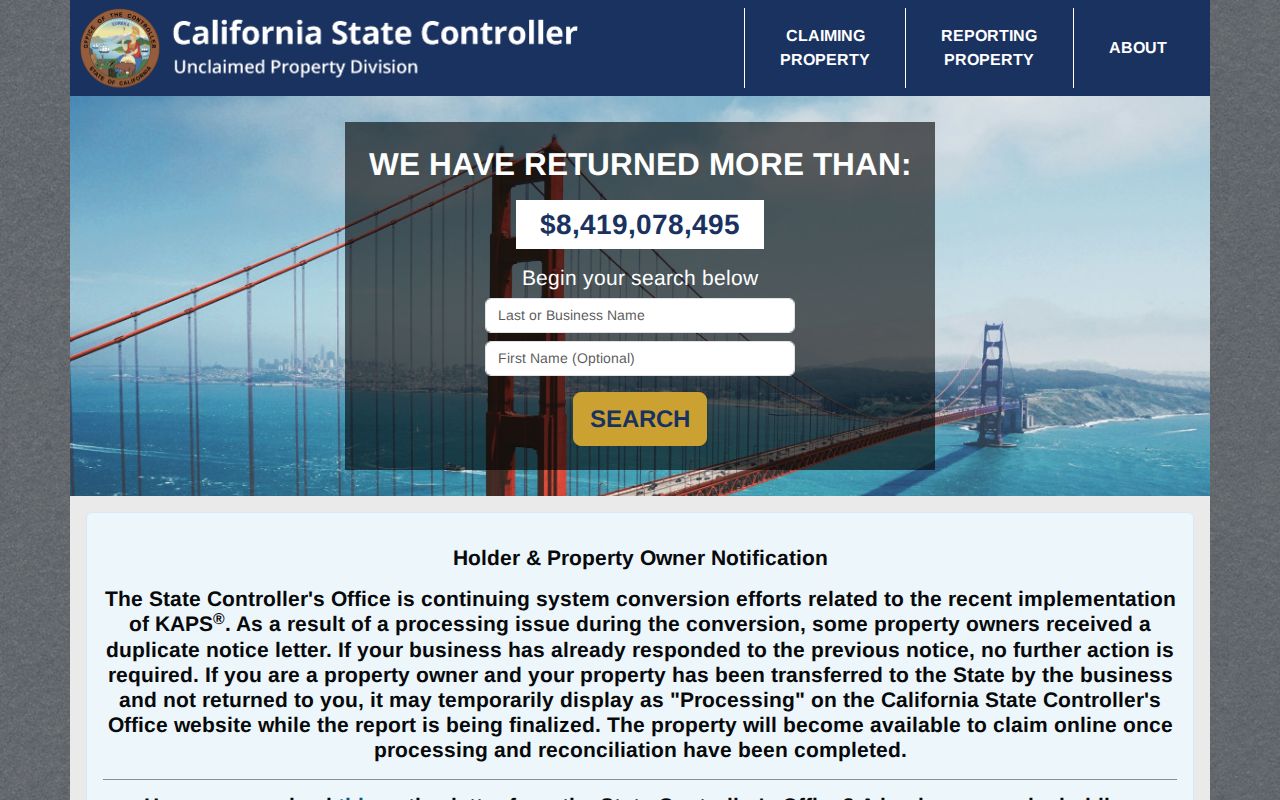
Keep the reported city and name spelling in the notes, then verify any relationship through the responsible custodian.
Monterey Park Previous Residents and Record Alerts
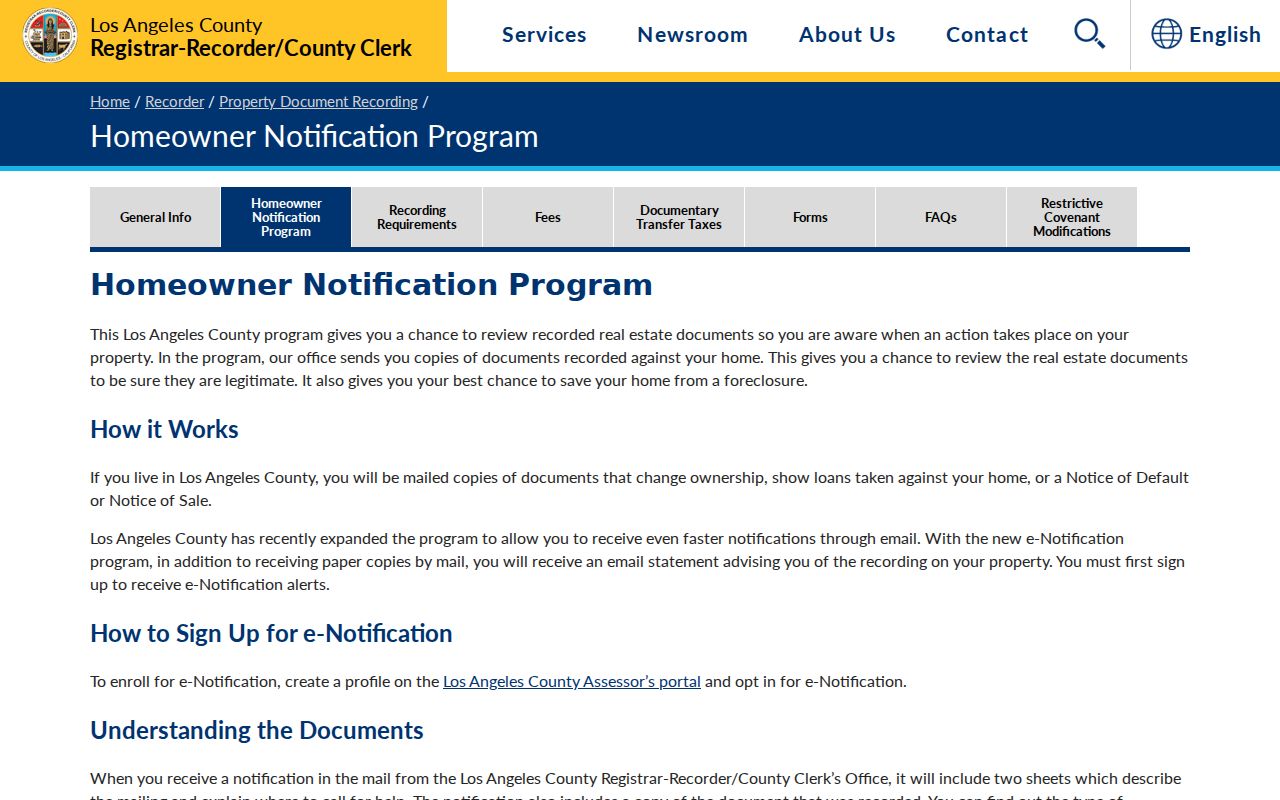
Current record initiatives can protect a present owner while also helping explain a deed trail. Los Angeles County's Homeowner Notification Program sends copies or notices when ownership-changing documents, loans, Notices of Default, or Notices of Sale are recorded. The program also offers faster email e-Notification through an Assessor profile. It is an anti-fraud alert, not a historical resident roster.
The official Homeowner Notification and e-Notification page is the source for enrollment and program limits.
The current notification route connects a new filing to the recorder system without changing the older index rule.
Use the notice service for fraud awareness and current filings; use the deed chain, directories, and census for a historical house account.
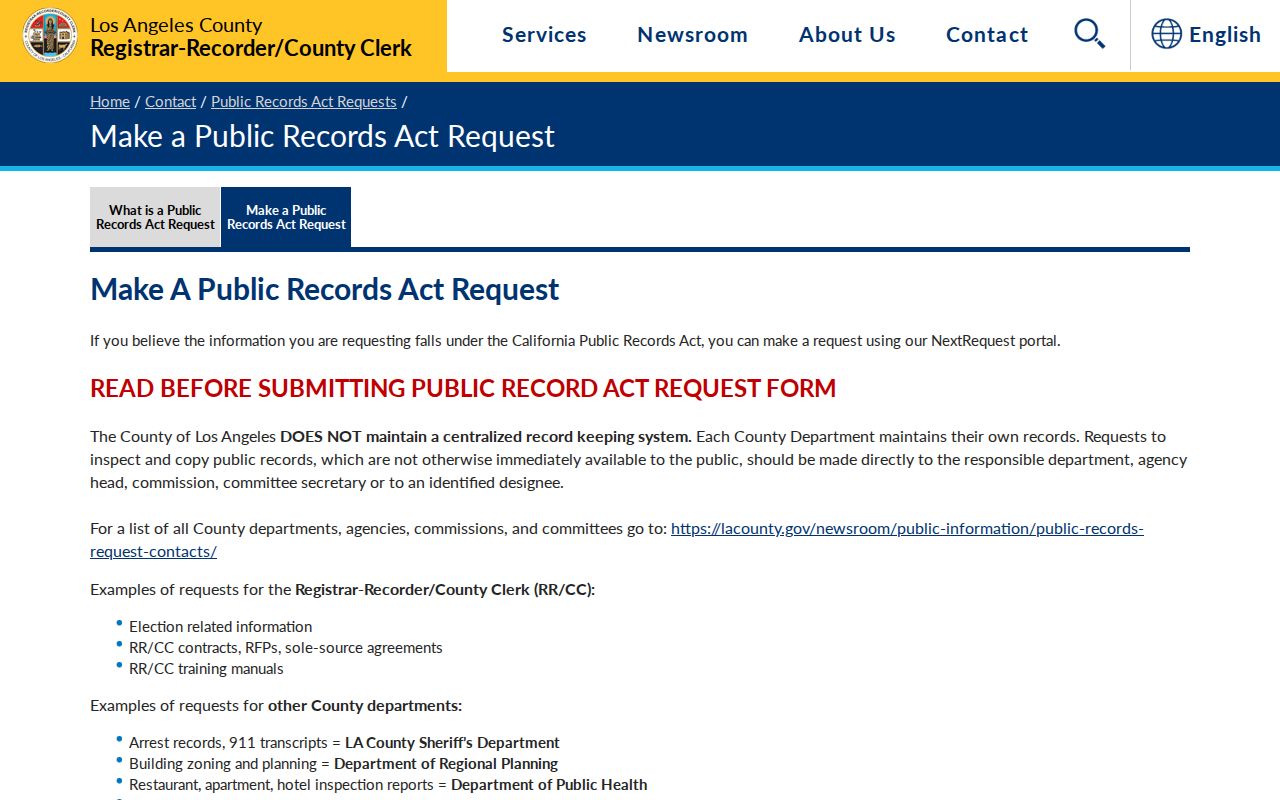
A narrow California Public Records Act request can fill a city-record gap when a permit, address change, or older file is not directly published. Identify the Monterey Park department, exact address or AIN, record type, and date range. CPRA normally calls for an initial determination within 10 calendar days, with a possible 14-day extension for unusual circumstances, but it does not override privacy, sealed-file, or record-specific rules.
Use the Los Angeles County public-records request route for county-held material, and the city's public-records portal for Monterey Park departments. A request should ask for an identifiable record, not a general list of previous residents.
The request path is a fallback after a direct portal, counter, library, or archive search has been narrowed.
Keep the response, exemption explanation, and date range with the chain notes so a later researcher can tell what was actually asked.
Lawful house history. Previous-resident research in Monterey Park fits family history, preservation, genealogy, and personal curiosity. Public records do not authorize stalking, harassment, threats, or attempts to track a living person.